Tiny Planes Airliners and Cargo Tiers
Cash efficiency versus prestige for narrow-bodies, freighters, and the infrastructure they demand.
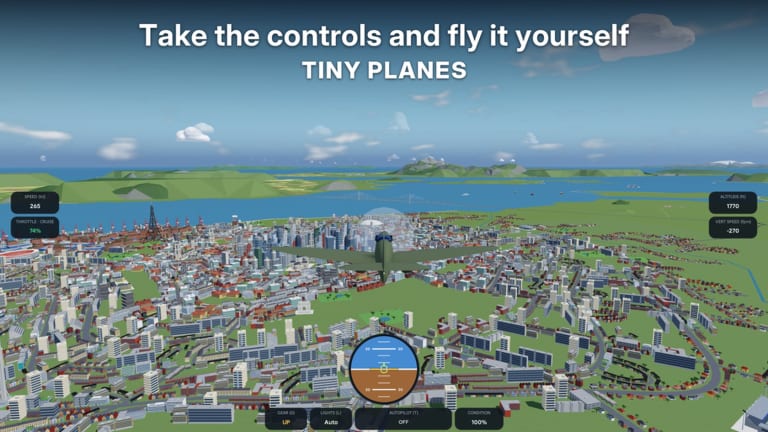
After starter GA and first regionals, Tiny Planes pushes you toward narrow-body airliners and dedicated cargo airframes. Buying either too early is the classic way to turn code millions into silent hangars. This tier-style guide explains when passenger jets beat freighters (and vice versa), which Build Update infrastructure gates matter, how cash efficiency compares to prestige, and how this page sits after Best Starters. For the full role map—including military, emergency, and barn finds—return to the Tier List Hub.
Where this sits in progression
Suggested path already published on this wiki:
- Redeem codes and finish tutorial loops (Getting Started).
- Master light GA starters (Best Starters).
- Expand pavement and gates (Airport Building, Build Update).
- Add regionals for medium island hops.
- Then step into airliners and serious cargo—this page.
- Layer emergency frames for disasters; hunt barn finds for prestige later.
If landings still porpoise on a Cessna-class bird, you are not ready for a narrow-body final.
Tier criteria for airliners and cargo
Score candidates on the same practical factors as the hub, with mid-game weights:
- Cash efficiency — purchase plus ops versus route payout frequency.
- Infrastructure fit — runway length, taxi geometry, gate/jet-bridge readiness.
- Demand match — passenger fullness vs cargo backlog on your island routes.
- Turnaround honesty — can AI and pilots complete cycles without human unstick duty?
- Role coverage — does this fill a hole, or clone a plane you already under-use?
An A-tier freighter on a cargo-starved board beats an S-looking airliner that waits forever for jet-bridge alignment.
Narrow-body airliners — when they win
Rank: B rising to A once the field is ready; C if bought raw after codes.
Narrow-bodies (737-class and similar community stand-ins) shine when:
- Inter-island passenger demand outgrows regionals.
- You have a primary runway long enough for safe takeoff and landing rolls.
- At least one gate with a self-fitting jet bridge boards cleanly.
- Pilots (or you) can stabilize heavier approaches without constant go-arounds.
They punish:
- Tutorial-length strips and hairpin taxi art.
- Gates packed tighter than the wingspan.
- Impulse buys funded only by N0TS0T1NYPLANE3-scale Cash with zero pavement upgrades.
Spend early windfalls on geometry first—see How to Make Money spending priorities—then purchase one narrow-body for your best passenger corridor. Keep feeders on GA/regionals so the jet is never your only flying asset.
Cargo aircraft — when they win
Rank: A for diversification and steady boards; B if you force cargo onto passenger-only demand.
Cargo frames earn when passenger loads dip, when you schedule dedicated freighter legs between islands, and when you built shed/apron access that does not fight the passenger concourse. They often tolerate slightly more utilitarian parking than bridge-dependent airliners, but they still need:
- Taxi width for larger fuselages.
- Clear staging so freighters are not nose-to-nose with boarding jets.
- Route distance appropriate to payload—longer island hauls want the unlock that Islands and Routes describes.
Buy cargo as a second revenue stream, not a full replacement for passenger dispatch on day three. Pair one cargo-capable type with your money passenger loop; expand freighter count only when the board stays green.
Infrastructure gates from the Build Update
The Build Update made airliner/cargo readiness a layout skill:
- Runway length and heading — freeform angles help terrain fit, but length still gates heavies. One excellent strip beats three short fashion runways.
- Curved taxiways that still solve — artful curves that trap AI destroy airliner value.
- Self-fitting jet bridges — essential quality-of-life for passenger narrow-bodies; test with a mid-size frame before spamming a concourse.
- Resize / rotate / paint parts — hangars and towers are fine after hot paths work; never place tower mass on final.
- Taxi, takeoff, landing control — validate a full cycle after each major pavement change before the next shop purchase.
If Build Update tools are new to you, remodel with Airport Building open, not with the shop carousel open.
Cash efficiency vs prestige
| Goal | Better pick | Why |
|---|---|---|
| Print Cash now | Regional still, or one demand-matched narrow-body / freighter | Pays for itself on busy routes |
| Smooth income | Cargo + passenger mix | Survives demand swings |
| Screenshots / flex | Wide-body look, business jets, liveries | Weak early ROI |
| Trophy hunting | Barn-find legends (Concorde) | Prestige, not payroll |
Codes accelerate purchases; they do not delete operating costs or bad approaches. Legendary Pilots from codes should crew the money routes that fund the next airframe—not babysit a trophy that never leaves the VIP pad.
Avoid early Concorde (and other barn-find legends)
Concorde and peer restorables remain S for collectors, C for early economy. They belong after airliner/cargo loops are profitable. Hunting them mid-unlock path starves runway upgrades and pilot recruitment. Use Barn Finds when exploration is a reward, not a rescue plan for a bankrupt airline.
Wide-body showpieces follow the same rule as Concorde: spectacular on the ramp, expensive when the field cannot host them.
Emergency aircraft stay separate
Firefighting and rescue airframes spike in value during tornado, wildfire, tsunami, and volcano events, but they are not substitutes for airliner or cargo income. Keep emergency types in their own staging area so disaster callouts do not clog jet bridges. Rank them high during events, then park them and return to passenger/cargo workhorses. Disaster prep details: Disaster Missions.
Shopping checklist before you click buy
- Confirm active codes are redeemed and daily/playtime boosts claimed (Codes, Make Money).
- Measure runway and gate readiness against the candidate’s size.
- Check shop restock (~15 minutes) so you are not settling for the wrong fuselage.
- Assign crew before the plane arrives.
- Schedule the first routes on islands you can already serve (Islands and Routes).
- Fly one manual circuit after delivery to validate the layout.
How this page links the wiki
- Tier List Hub — full role tiers and criteria
- Best Starters — what to fly before this tier band
- Airport Building — pavement and bridges that unlock heavies
- Make Money — codes, dispatch, upgrade spend order
- Islands and Routes — distance and multiplayer geography
- Build Update — tooling that changed progression
- Codes — Cash and pilot fuel for the purchase
Summary tiers (community guidance)
- S (situational) — First demand-matched narrow-body or freighter after infrastructure is honest.
- A — Cargo diversifier on a healthy passenger board; second narrow-body on a proven corridor.
- B — Extra airliners bought for looks while feeders still underperform.
- C / avoid early — Concorde and barn-find legends, underbuilt wide-bodies, emergency-only fleets used as main income.
Grow capacity only as fast as your islands and gates can turn planes. Tiny Planes mid-game belongs to managers who buy airliners and cargo when the pavement is ready—not when the shop sparkles.
Frequently Asked Questions
Quick answers for Tiny Planes pilots and airport builders.
When should I buy my first Tiny Planes airliner?
After starter GA and a regional are profitable, and after runway length plus at least one jet-bridge gate can handle the narrow-body. Codes alone are not a green light.
Are cargo planes better than passenger airliners?
Neither is universally better. Cargo shines for diversification and steady boards; narrow-bodies win on high passenger demand with working bridges. Many airports want one of each role.
What Build Update features gate airliner purchases?
Usable runway length, solvable taxi geometry, and gates with self-fitting jet bridges. Validate taxi, takeoff, and landing before expanding the fleet.
Should I buy Concorde with code cash?
No. Concorde is a barn-find prestige restoration, weak as an early cash engine. Fund pavement, pilots, and demand-matched airliners or cargo first.
Do emergency aircraft replace cargo or airliners?
No. They spike during disasters but should stay separate from passenger and cargo income loops. Park them for events, then return to workhorses.